
The EU Parliament
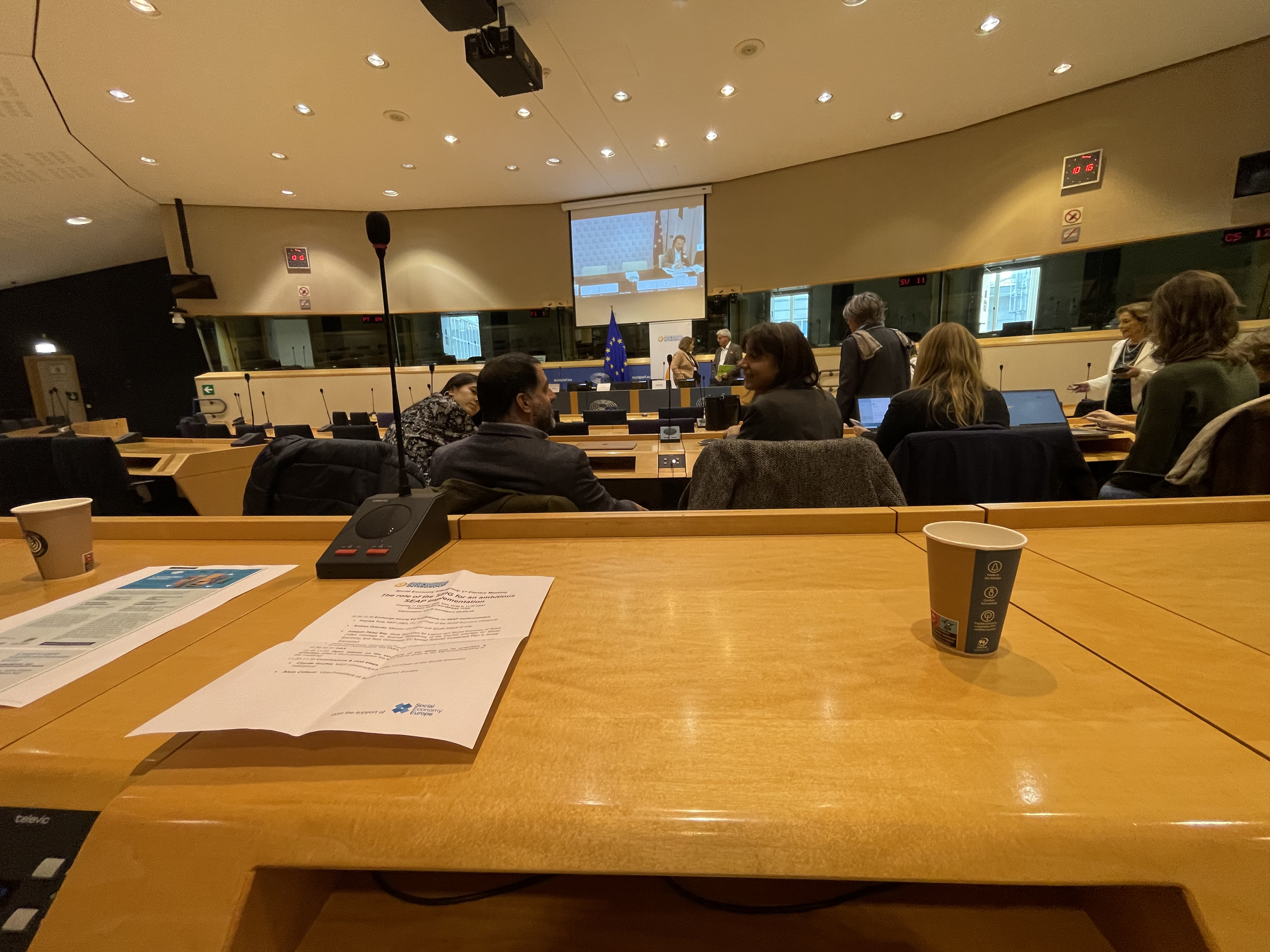
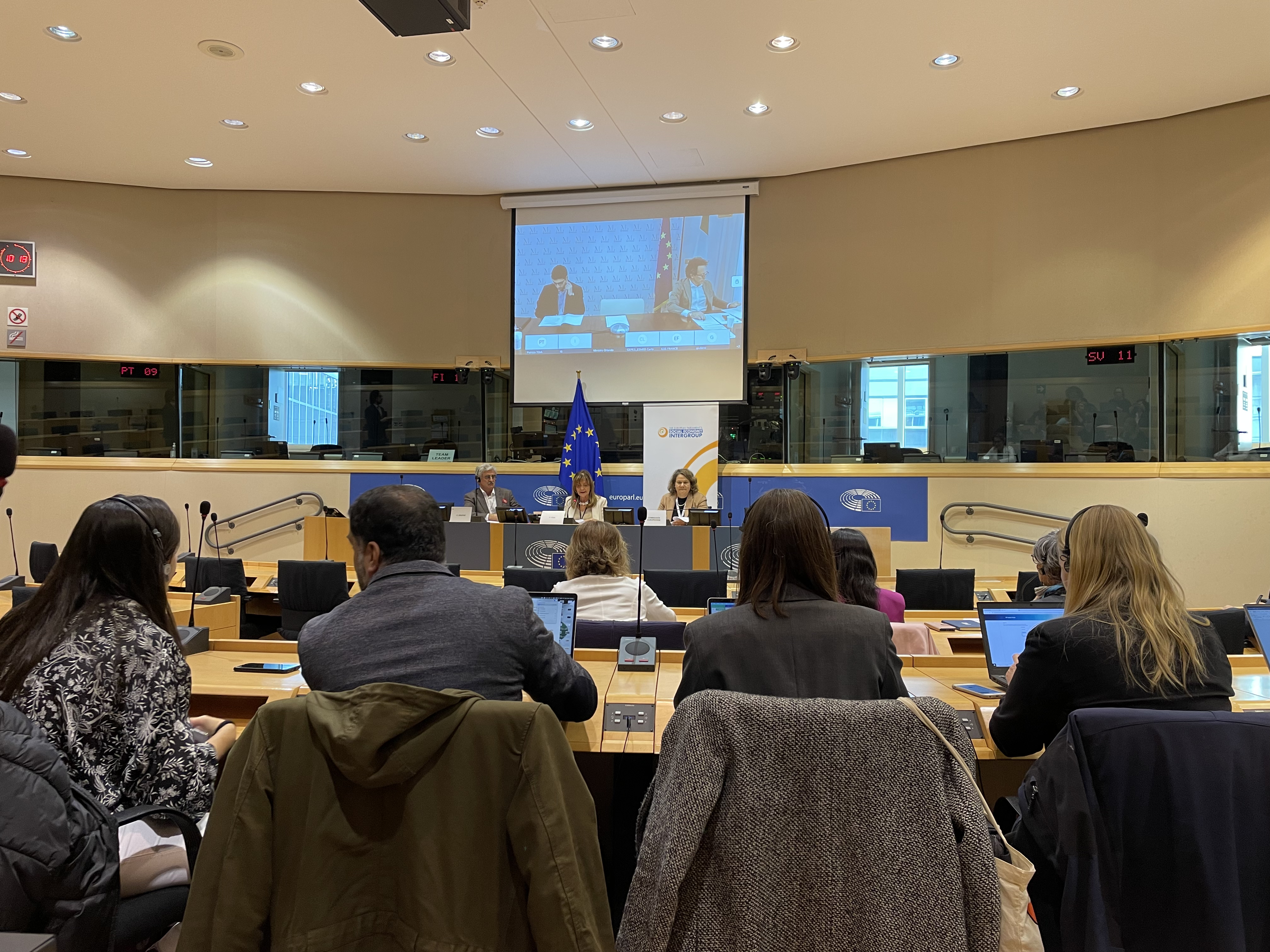
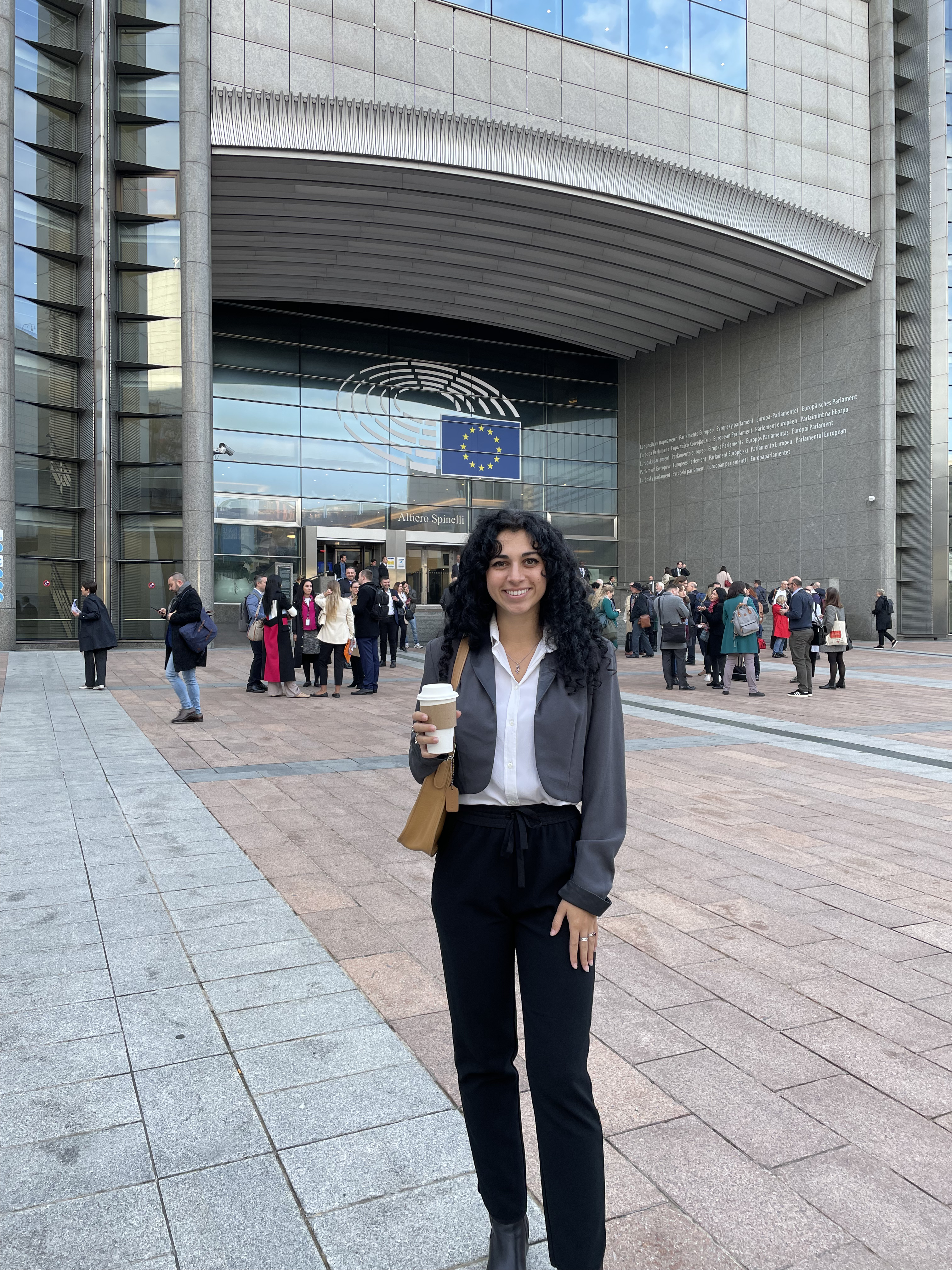
A very exciting day! I met Alessia at 9:15 am at Exki, a cute breakfast/coffee shop. We both got a croissant and a cappuccino. This time I tried it the Belgian way, by adding chocolate to it which was delicious. We sat outside of the parliament and enjoyed breakfast as many people crowded to head into the parliament. Once I got my visitors pass we filed inside to go through security and made our way to the meeting room. I could tell from outside that the parliament was a huge building but the inside holds so much more. We walked past press locations, cafes, hundreds of people walking in every direction, and so much more. I felt like I was in a movie. It took a bit of adventuring but we found the meeting room which was in the shape of a semicircle. There were many people speaking many different languages, and I immediately noticed the translator booths all along the back wall. We sat down and once the meeting started I put on the headphones provided. I assumed one common language would be spoken, most likely French since we were in Brussels, but I was wrong. Throughout the entire meeting I heard 4 different languages; French, English, Italian, and Spanish. The super cool thing was there was a translator in each booth for each different language so I could turn my headphones to the English channel and understand everything. I knew translation was provided but I assumed it was a direct verbal translation for everyone. The booth and headphone method is much more efficient.
Okay lets get into what was talked about. The entire hour and a half conference was on social economy. Disclaimer: as someone who was just exposed to the concept of social economy I definitely did not comprehend a lot of what was talked about but I will share the highlights of what I learned. I told you it would come back up. It was called the “Social Economy Intergroup.” There were 6 speakers from all different locations and positions that took time to present their thoughts and updates and then we ended with a Q&A. Everyone deemed 2023 to be the year of skills highlighting the green and technology transition. 2022 was a significant year for the promotion of economy and by September there were 60 different movements working towards bettering social economy. During 2022, social economy was recognized for the overall contribution of quality of services. Growth and development was on the priority list for everyone. Through aid in funding and pushing member states to prioritize, social economy has become much more prominent. The next step is to take these principles from an overall priority into actual legislation.
The pandemic was mentioned for multiple reasons. While social economy grew as certain sectors provided shelter and aid to those in need, there was an opposite effect as it became known as the silent pandemic. This refers to loneliness which has grown in today’s society. There is a lot of social exclusion and psychological deficits in youth as a result of Covid-19. A skill center was brought up as an institution to aid in the promotion of social economy. Another promotion tactic/solution brought up was increased communication. More reports, more contact between member states, keeping stakeholders in the loop, and the idea of a gateway where all information can be stored in one place. In terms of innovation it was decided that 200 million was reserved for innovation activities and broken up into 2 branches. The first being an innovation competence center where countries would exchange knowledge The second would be focused on upscaling and transferring projects across regions.
In conclusion, social economy was defined by governance. Employees having administrative roles is important because these employees have first hand knowledge. Germany was brought up as an example as their board is made up of 50% employees. In terms of capital, longevity is key. European companies traditionally change hands every 7 years and in order for the economy to stay strong long term commitment is important. Another key conclusion involving longevity was sustainability and the green transition. Societal responsibility is very important. The last topic involved in the conclusion was fair trade. Regulating fair trade within the EU must be supported. Truthfully, I am not exactly sure what this means and have further learning to do, but it was an important topic. Overall the ultimate goal set by the end of the conference was that everyone is on the short timeline of 1 year to highlight the difference between social economy and capitalism. This will be done through individual rights, reinvesting profit, social solutions, social responsibility, and social taxonomy. To jumpstart this goal it was set that within the first quarter of 2023 an event would be held to share and gather testimonies from the different states to use as both organization and motivation.
I know I have presented a lot of information. I tried my best to highlight all of the important topics that were discussed and the conclusions made. I certainly am no expert and am not yet capable of further interpreting this information, but hey, I have to start somewhere. At the end of all of this I was very ‘information overwhelmed’ but also amazed at the opportunity I had just experienced. The one major question I had was why the timeline was so short, only 1 year, to make so much change. Leonardo then explained to me that there is 1 year before elections and all progress can be lost if things are not put into motion before then.
Lunch at the Canteen
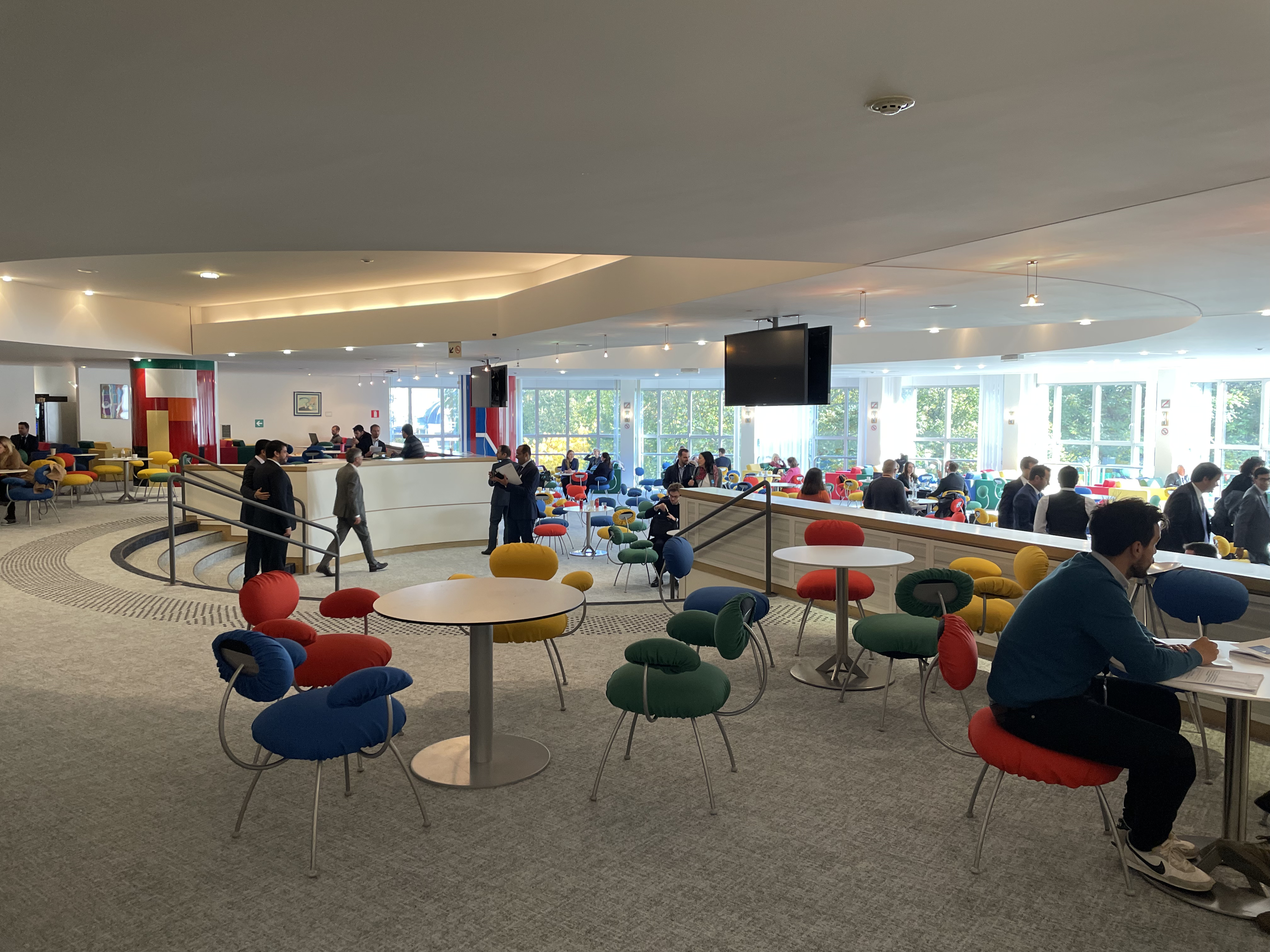
After the conference, Alessia and I grabbed another coffee before we ventured downstairs to “the canteen” to meet Federico and Leonardo for lunch. While waiting for Federico and Leonardo to wrap up their meetings, Alessia and I had a very nice conversation about being young women in the workforce. I have previously discussed how difficult it is for young adults to break into a career due to Italy’s culture, so it was great to talk to Alessia about how she got to where she is. She told me about her previous education and work experience and I quickly understood she was very passionate about her work. Aside from being qualified and working hard, she also explained that Leonardo is not as traditional as some in the sense that he is happy to work with younger colleagues as long as they work hard. I then explained how I am 23, freshly out of college and expected to jump straight into a career. In response, Alessia explained the education system is different in Italy. There is an extra year of university and it is very common for students to take a year or two off for “erasmus.” This is common across Western Europe, at least so far in my experience. It is similar to studying abroad, but is typically done for a year. Some students then go on to attend graduate school, volunteer, or pursue internships before settling into a career. That being said it is more common for young adults to break into the workforce in their late twenties, rather than young twenties as in the US.
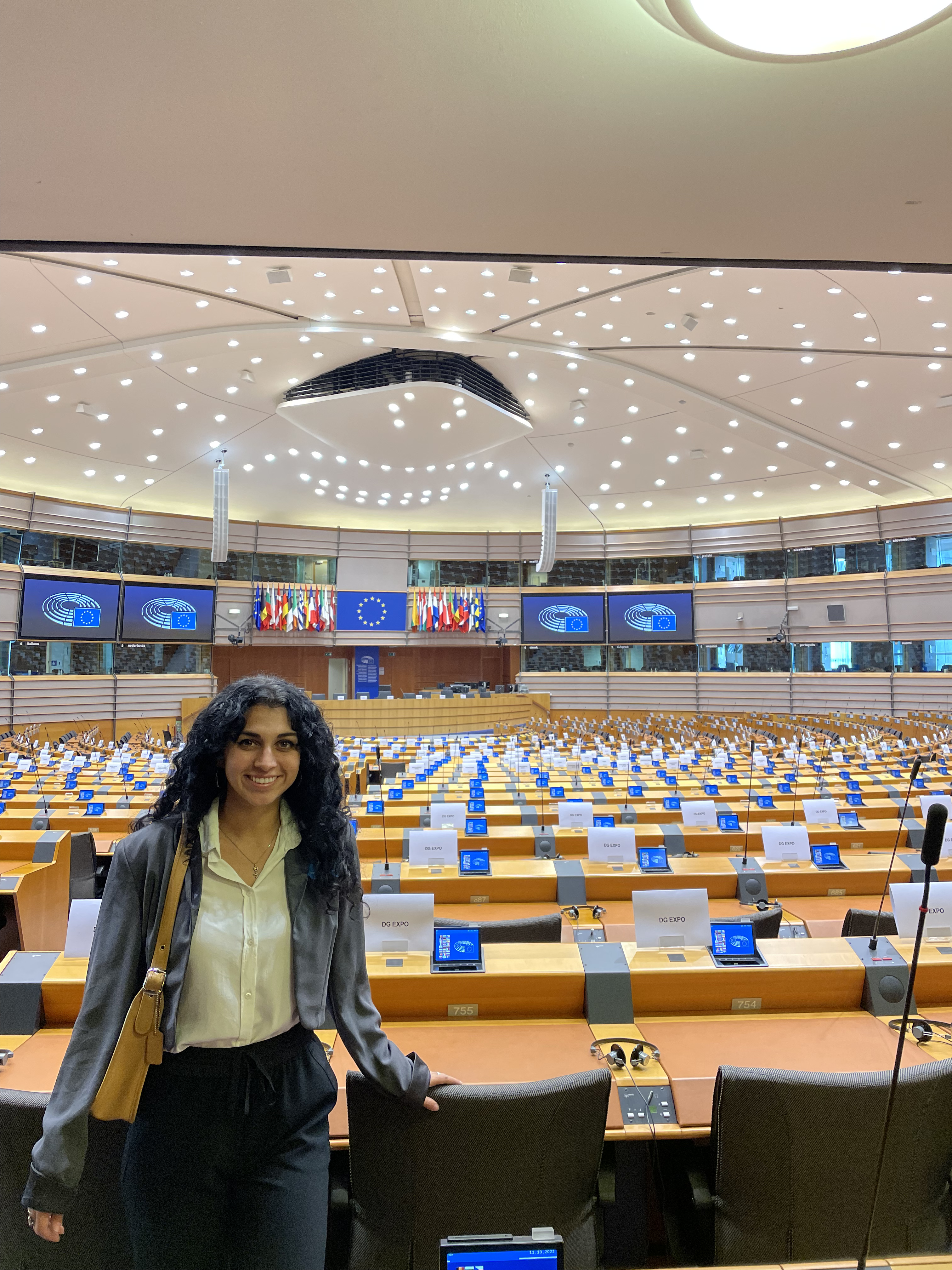
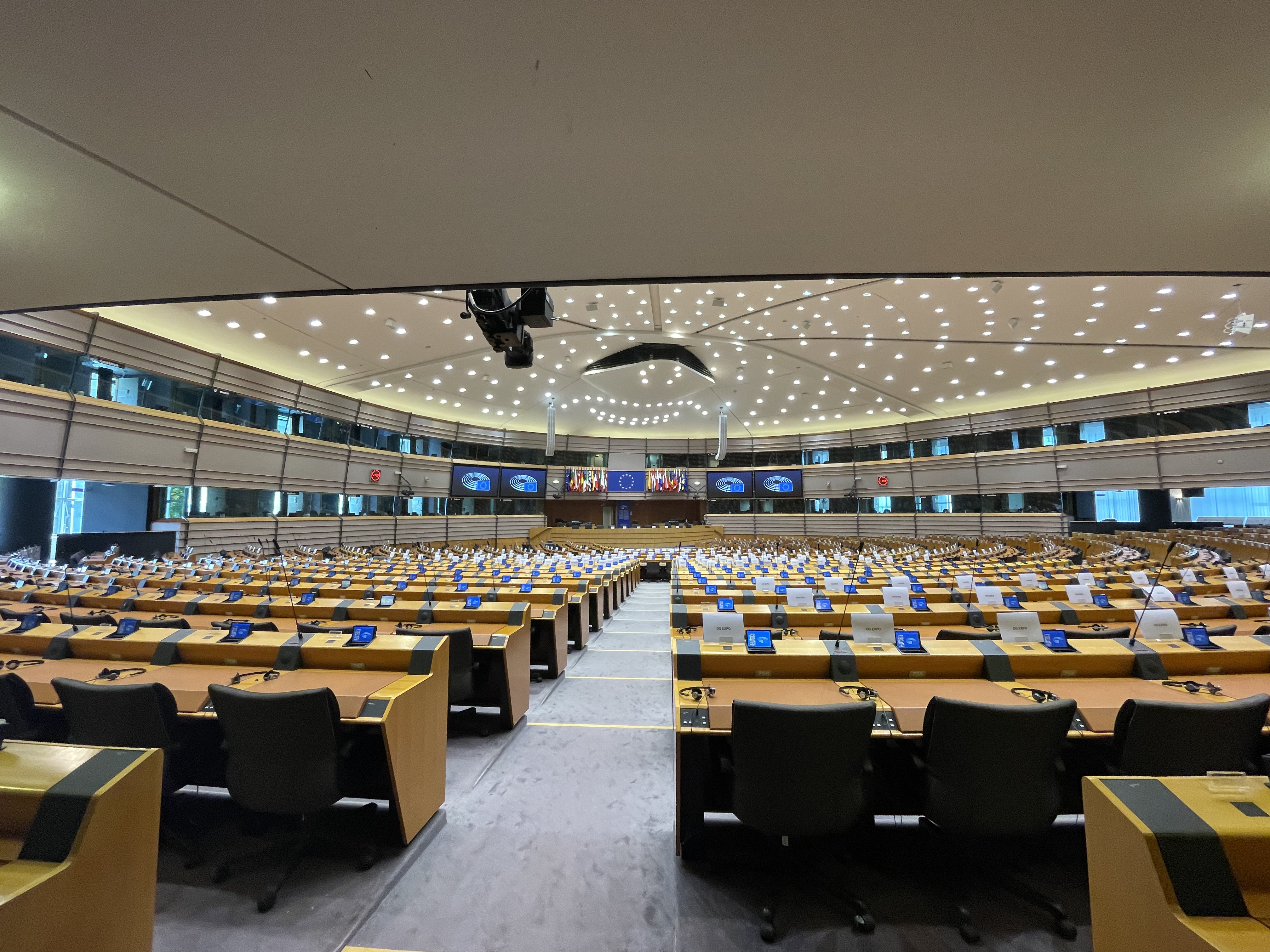
The canteen was similar to a school cafe but with much better food. It was buffet style and you’ll never guess what I ate…Bolognese. Once we wrapped up lunch and debriefed the conference Alessia took me on a tour and showed me the big room where the super important meetings are held. It was massive! It also very much reminded me of the big room at the UN.
Goodbye Drinks
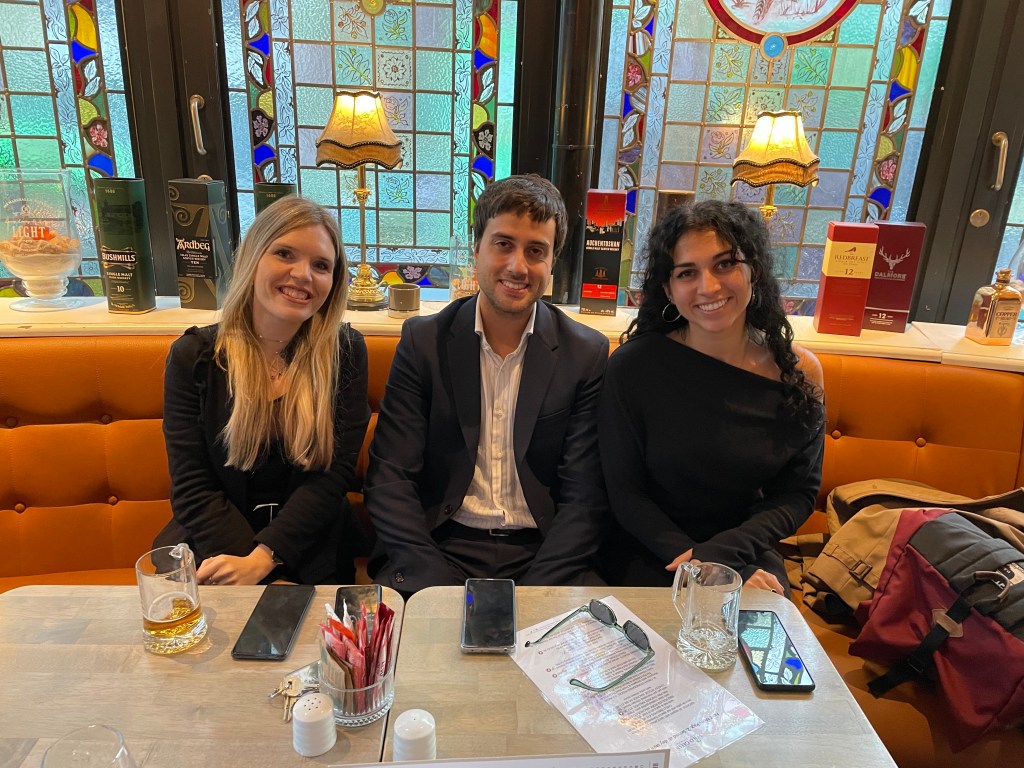
Everyone had secondary meetings to attend so I went back to my hotel to do some work until we all met up at the Wild Goose for drinks. Both Leonardo and Federico had to fly to Rome the following day and after a round of beer (wine for me) we said our goodbyes. I would see Alessia again tomorrow for one last meeting on my final day in Europe.
 International Cooperative Immersed
Leave a comment