
Let’s start this post off with a travel lesson. Brussels has two major airports, one right in the center of the city, and one an hour outside. I spent my free weekend visiting my friend in Northern Spain and was thrilled to find a flight from Santander to Brussels for less than 100 euros! Here’s the catch, the flight was into Charleroi rather than Brussels international airport and I did not realize until AFTER I booked my flight. With no other option, I flew in with no idea how I would be transported from there to my hotel an hour away. I got off the plane and tried Uber, but each country is a bit different with Ubers and unfortunately, there weren’t any around me. There was a line of taxis, so I walked up and asked how much it would be to be taken an hour North. Imagine my surprise when the man looks at me and goes “oof, at least 220 euros.” I immediately said that would not work and asked if there was any other means of transportation. There was a bus, but having not purchased a ticket in advance there was a very long line. The man then asked me what I was willing to pay and I said less than 100 euros to which point he proceeded to show me the rate per kilometer and just how far away from my hotel I really was. He countered with 120 and considering my circumstances I agreed. Lesson learned friends, do more research beforehand than I did. Also pack light. I considered waiting for the bus in hopes of spending 1/5 of what I paid, but I was also traveling solo with 3 large bags since I had done so much shopping. Anyway, I checked into my hotel, found the closest carrefour (a food market) grabbed some snacks, and went to bed.
ICA
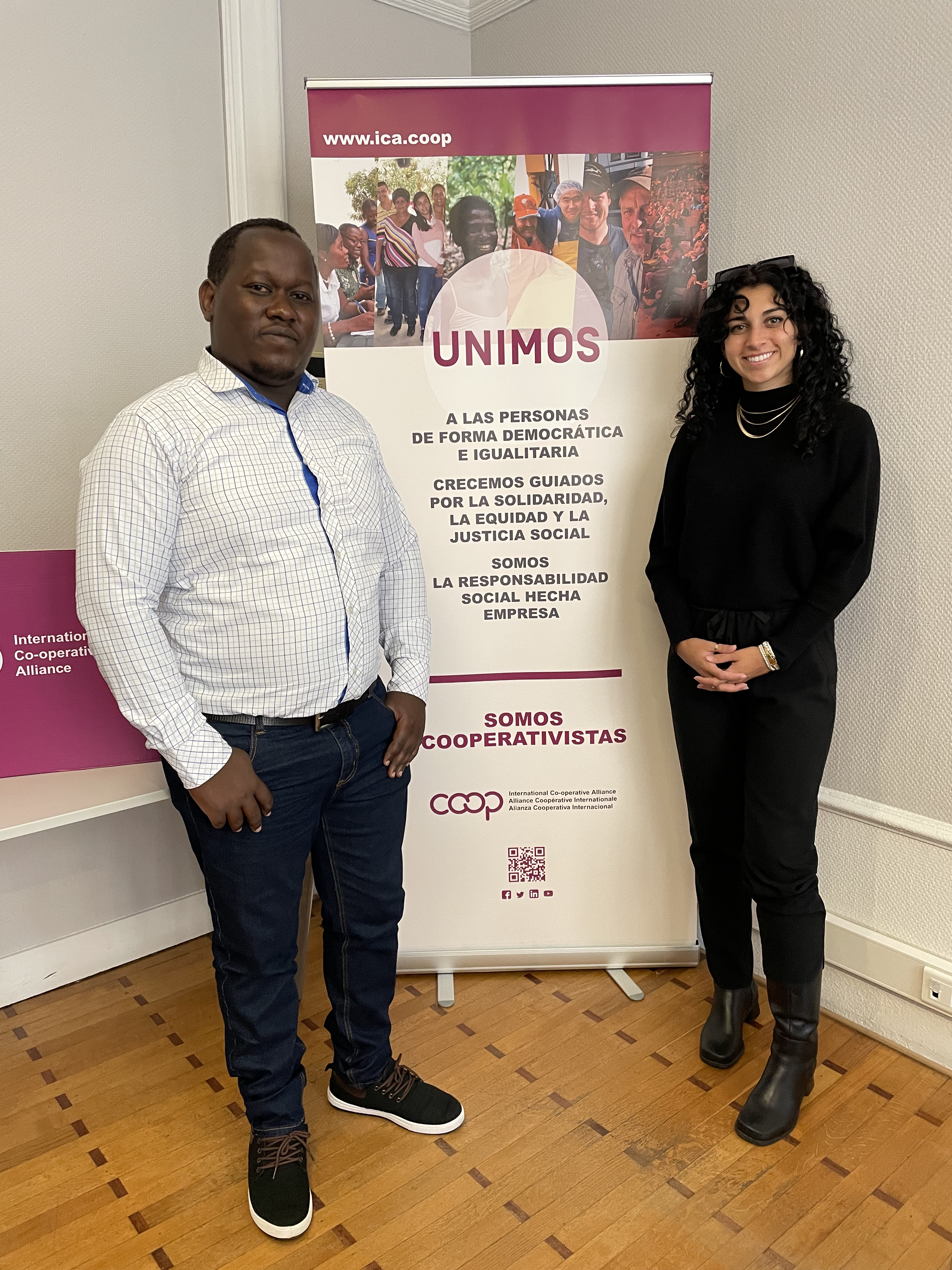
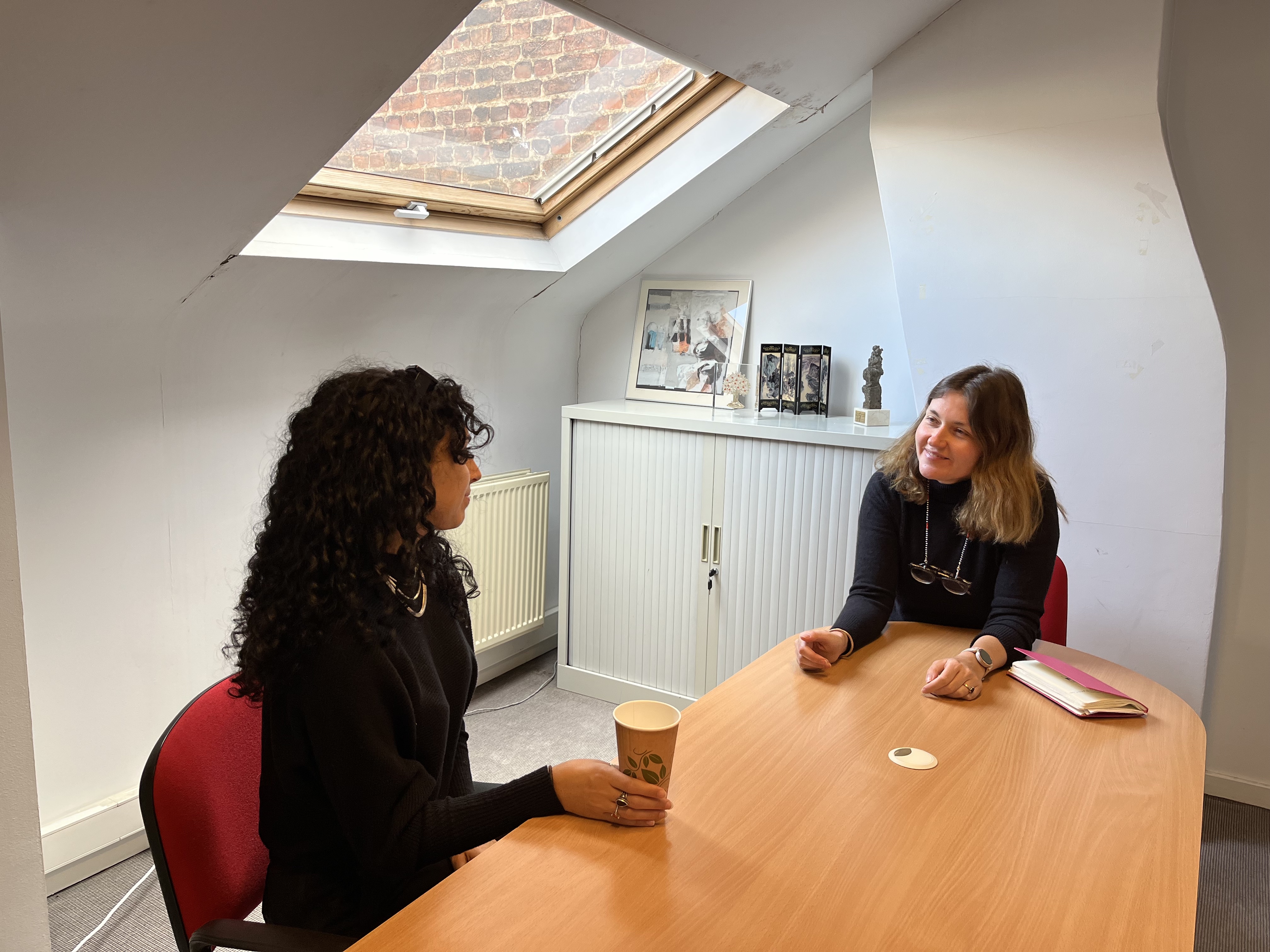
Another important lesson- always double check scheduled meetings. Monday morning I woke up only to realize I had confused my meetings and ended up an hour late to meet with Joseph, the policy coordinator for the ICA. Despite that, we still had a wonderful conversation and I was able to understand even more of the co-op web. The ICA or the International Cooperative Alliance is the only global organization of co-ops. It was formed In 1895 in the UK with the purpose of promoting the co-op principles and values. On a global scale, co-ops make over 2 trillion in revenue through the 3 million co-ops that exist across the globe. These co-ops represent over 1 million people. Joseph is the policy coordinator which means he is the policy advocate liaison between the government and the UN. He works to promote what co-ops are doing and communicate this to as many communities as possible. There are 4 regional offices of the ICA. One in Costa Rica representing the Americas, one in Kenya (where Joseph started working for the ICA), one in New Delhi representing the Asian Pacific, and lastly one in Brussels representing Europe. Joseph described the bulk of his job being researching and advocating on policies, leading to many policies coming from the ICA. Another goal is making sure the co-op identity is protected, meaning the government can’t come in and change it. The government can neither add or subtract a sector without consulting the ICA. This was powerful to me. Co-ops hold so much power yet I wasn’t even aware of them until this trip. I asked Joseph his thoughts on how well known co-ops are in the community and the ICA’s marketing strategy and received the same response as I did with ConfCooperative. Exposure is low due to marketing not being a priority. The marketing and communication efforts are internally focused rather than external.
The last major topic we touched on was sustainability due to that being a large interest of mine. Considering the relationship between the ICA and the UN I was not surprised to hear that the ICA embraces the 17 sustainability goals of the UN. Co-ops hold sustainability very high on the priority list, especially in the agriculture sector. The ICA has done publications for all 17 goals and Joseph was able to give me specifics for each of the goals. This was very reassuring. In my studies I have found many large organizations affiliate themselves with the UN’s sustainability goals but think that is enough. The ICA is certainly not one of those organizations, nor are co-ops in general. Unfortunately we did not have much more time to dive deeper, but I left our meeting happy to have met Joseph and with a much better understanding of the co-op world.
CECOP
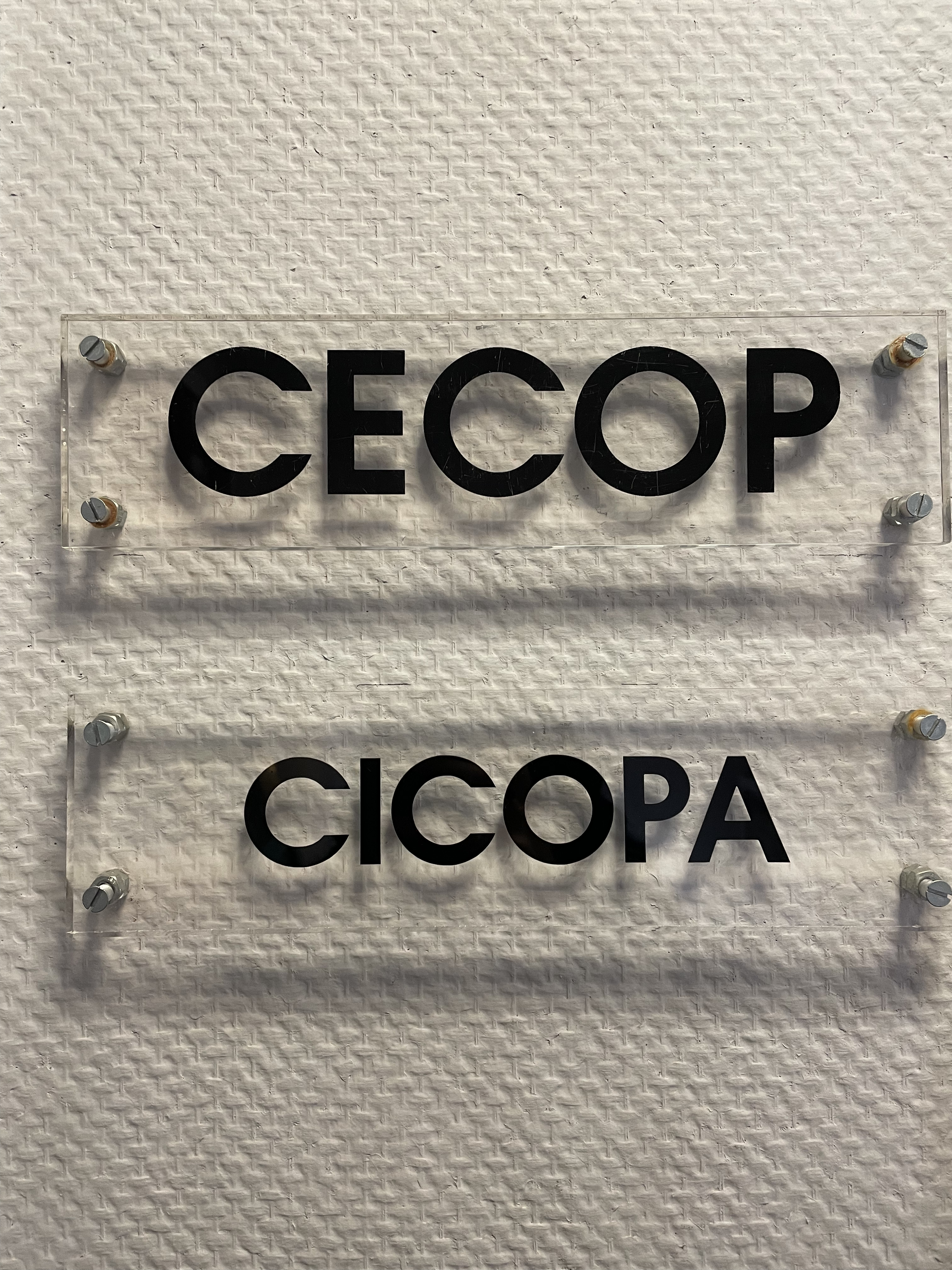
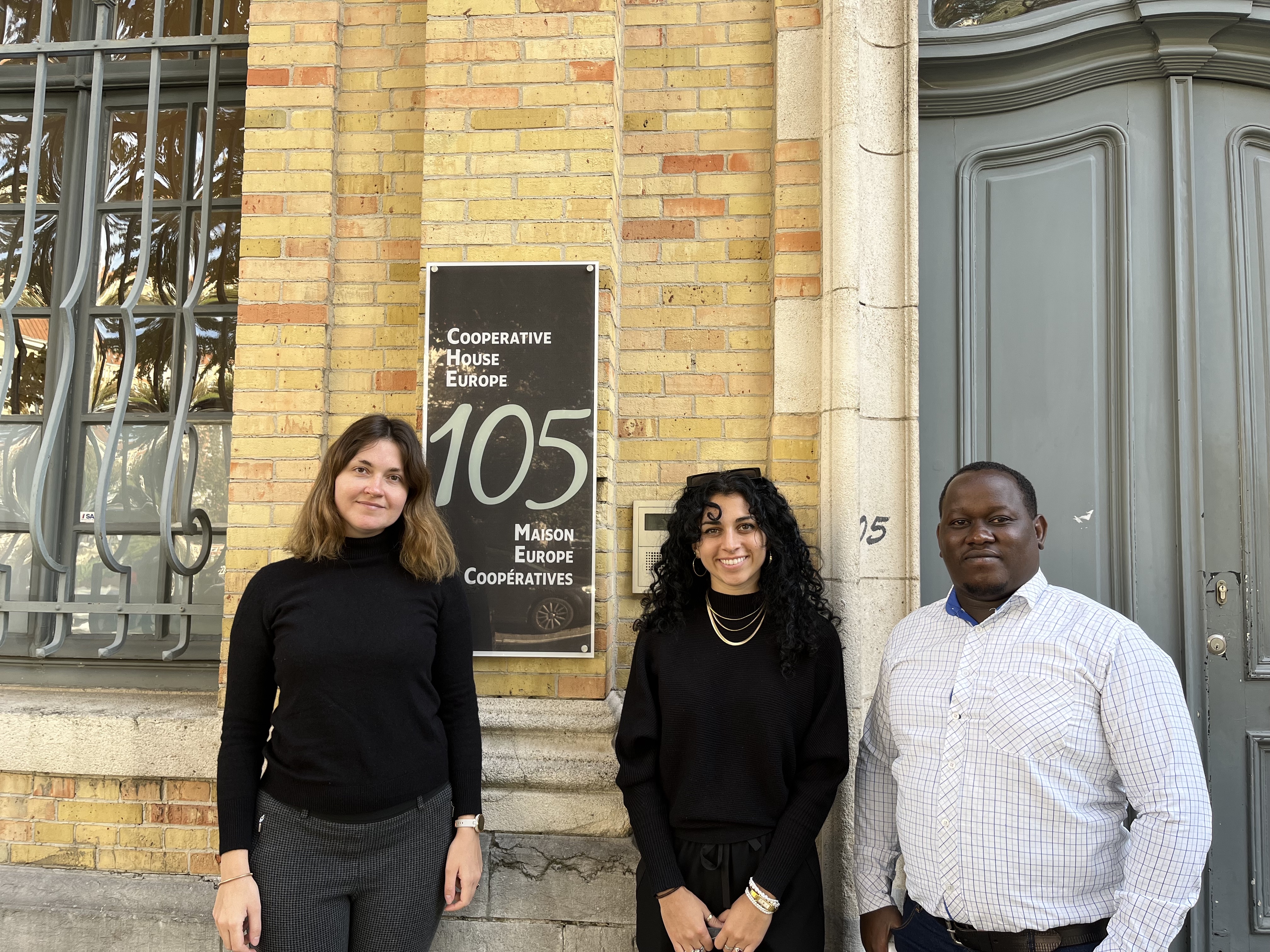
Once Joseph and I wrapped our meeting I headed up 3 flights to meet with Diana, the advocacy coordinator for CECOP. Side note: The architecture in Brussels was beautiful and very interesting. Heading up the 3 flights it was as if I was in a multi floor family apartment rather than a typical American office building. There are certainly offices in buildings that used to be homes in the US, but it is much more common in Brussels. Back to Diana. She has been with CECOP for less than a year and earned a PhD in political science before entering the co-op world. CECOP represents industrial and service co-ops on the European Union level. She also works for Cicopa, but only about 10% of the time due to resources being limited. This was a bit confusing due to the similarity in organization names but CECOP is the European wing of Cicopa, though it has now outgrown Cicopa due to the large economic output and huge internal market of the EU economy. Cicopa is a sector of the ICA and has 3 regional organizations, CECOP, the European region, being one of them. CECOP was established over 40 years ago and has 25 members in 16 states (15 EU and the UK). It works with the EU institutions operating on the transnational level, mainly European Parliament and European Commission (not the council, which represents member states). Work on the EU level is very important because the EU makes a lot of economic decisions and has its own budget big enough to develop policies. Diana explained that law making and lobbying in Brussels is a very intense process. There are many drafts of a law and many enterprises and people must be consulted in order for a law to get anywhere. The purpose of CECOP is to lobby for co-ops across the entirety of the EU, which makes sense why CECOP must be in Brussels where the EU institutions are also located. CECOP’s advocacy also involves 25 members in the 16 countries; it is important to find a consensus valid for different cooperative organizations across Europe.
Diana went on to talk about social economy. Social economy and co-ops go hand and hand just as co-ops and employment go hand and hand due to the high volume of jobs created by them. I want to take a moment to define social economy because it will be apparent through the rest of my education I received in Brussels. Social economy is the concept of businesses acting in support of a strong social mission rather than just creating revenue. This is a pretty foreign concept the majority of the time in the US. Most business entities are solely driven by profit. This is still prevalent in the EU as well but there is a very strong prioritization going on of making sure businesses are driven by more than that, benefitting more than just themselves. Co-ops are at the center of social economy. Diana explained that lobbying for social economy is a science. All perspectives must be accounted for and reconciled in order to create a detailed position on an issue to present to the EU institutions. It is that of a science rather than an idea, as everything must be measured and in full detail. Communication is also a huge part of this, especially internally. Newsletters and websites must constantly be updated with the correct information in order to not hold up the change she and so many others hope to create.
I hope through my explanation you can all realize how important, complicated, and extensive this work is. In my eyes, co-ops in general, but any and all those lobbying and advocating are doing god’s work. I personally am not cut out for political science, but I give Diana and Joseph props and am thankful for them and others like them. I am overwhelmed just thinking of everything that goes into their work and I’m not the one doing it!

Lunch with ConfCoop Brussels
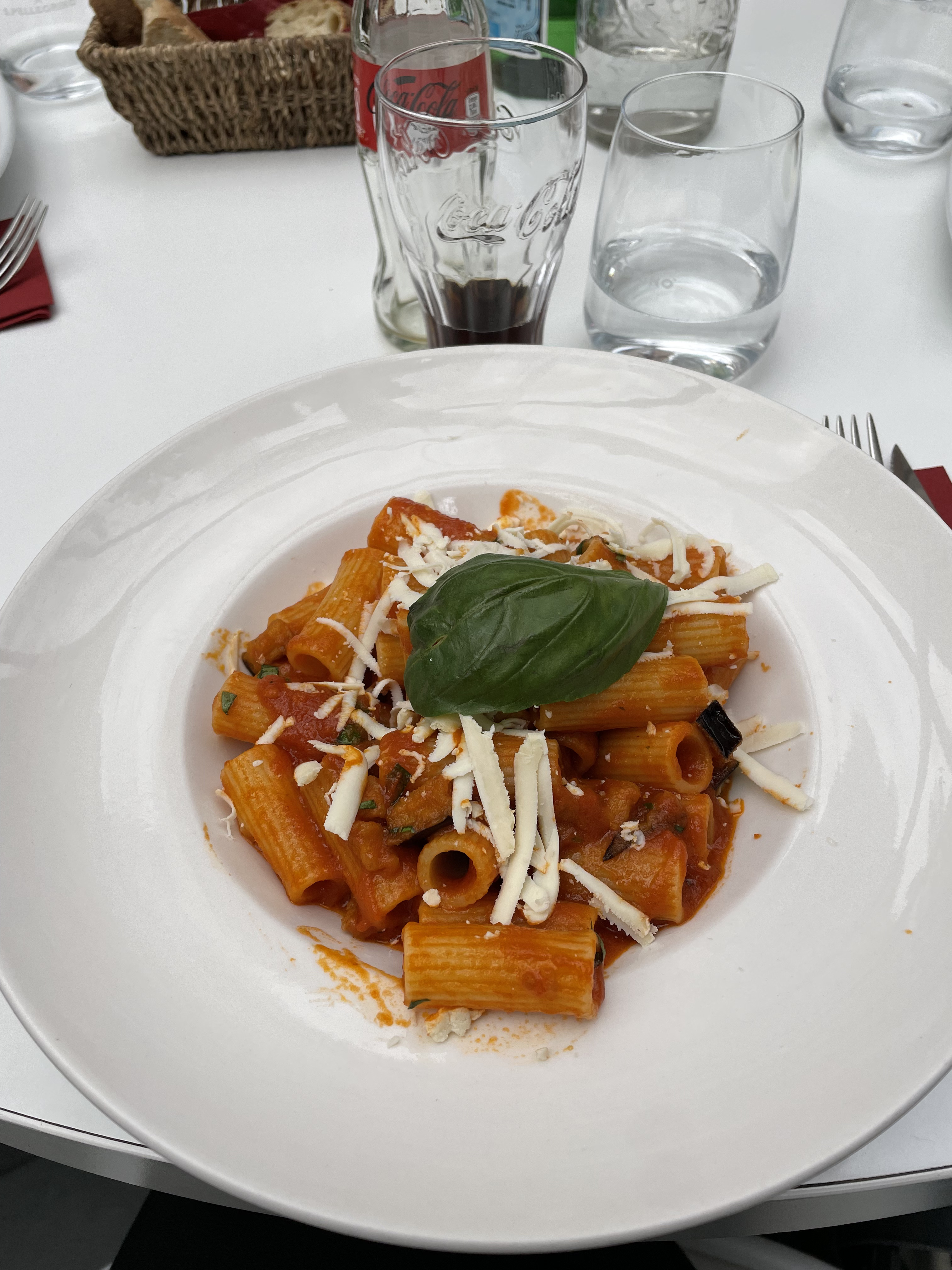
After my quick, but compact, meeting with Joseph and Diana I headed over to the ConfCooperative office in Brussels to meet Leonardo, Alessia, and Federico for an introductory lunch. Since they are all Italian we went to an Italian restaurant where I had yet another Bolognese (can you tell it’s my favorite meal?). Leonardo is the senior of the office while Alessia and Federico are both very young, in their late twenties. This was very interesting considering everything I have learned about the culture of youth employment so far, but it was very nice to be able to talk to those closer to my age. We got to know each other and further discussed what I have learned so far about co-ops. One of my favorite parts of European culture is the more informal approach of meeting colleagues. Introductions almost always involve food or coffee and who doesn’t want that? Alessia had to leave early for a meeting, but we confirmed plans for the following day, an event that I was most excited for. Alessia would be taking me to the EU parliament to sit in on an international meeting about social economy.
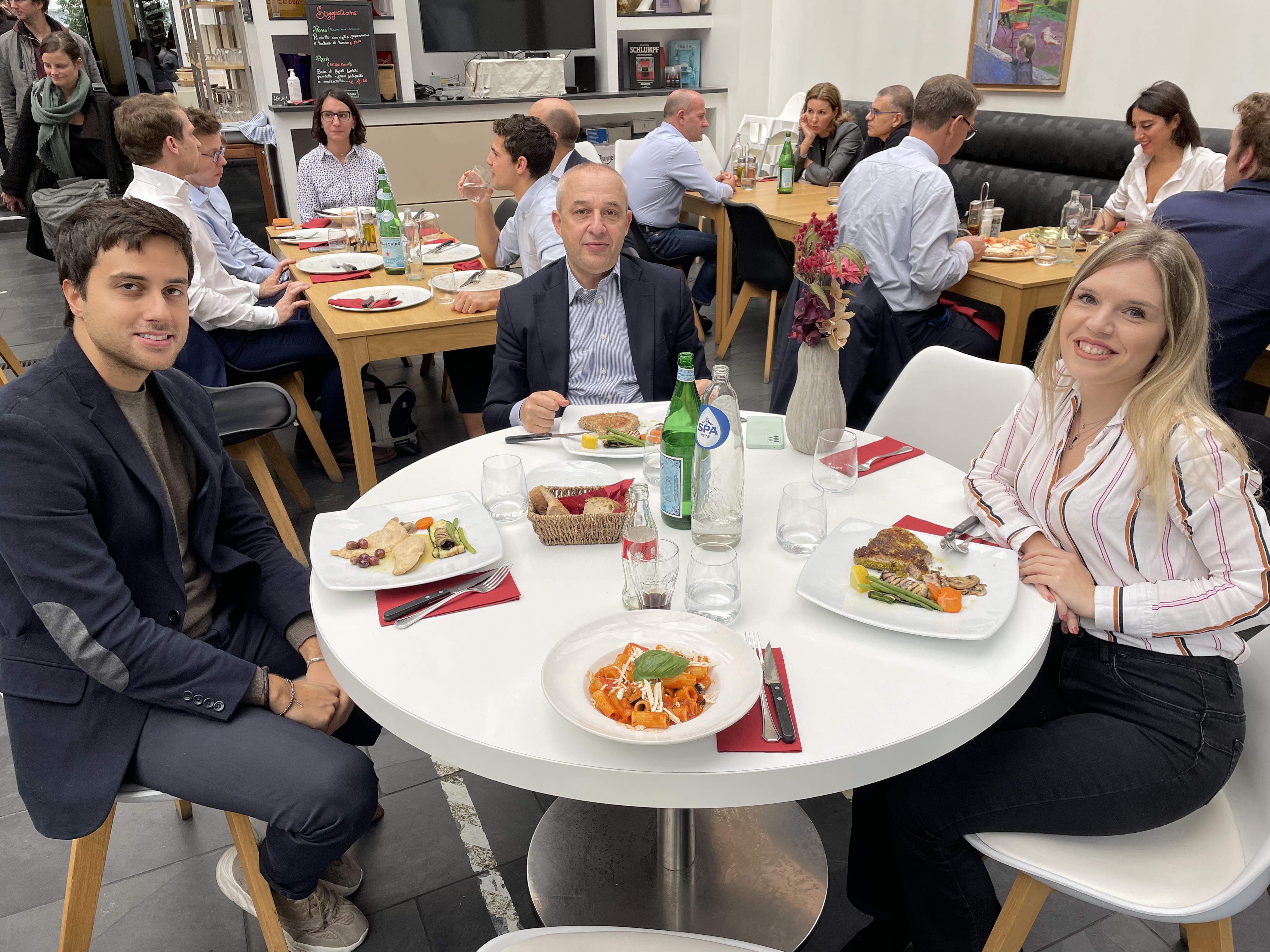
After lunch I returned to ConfCooperative HQ in Square Ambiorix with Leonardo and Federico. I was given a tour and the office is in a residential building which was pretty cool. While Leonardo had a meeting, Federico and I sat and spoke for about an hour about his position and sustainability. Federico specializes in lobbying and advocating for the agricultural sector as a food policy officer. As we spoke about sustainability in the agricultural sector, I mentioned my interest in sustainable fashion and it turns out he is a big second hand shopper as well! He recommended some vintage and thrift stores in the area for me to check out later.
Federico had to join in on a meeting as well so I ventured the 100 ft back to my hotel where I then realized I did not pack a blazer. With going to the EU parliament the next day, I had to set out on a mission to go find one. Of course, this was also a great excuse to check out some of the vintage shops. I did a bit of research and found a couple but only had an hour to get there before they closed. Travel tip: Everything in Brussels closes much earlier (6-7 PM) than Italy or Spain. I hopped on the subway which was very easy to figure out thanks to GPS and headed into the center of the city. Within 20 minutes I found a blazer and a collared shirt, thank goodness, before heading back to my hotel to get ready for the next day.
 International Cooperative Immersed
Leave a comment