
Parmigiano Reggiano
You all are not prepared for this post. When I say this was one of the coolest days I have ever had, I mean it. I arrived at the office at 8:15 am, bright and early, very unaware of the day I was going to have. I knew that I was going to visit a couple co-ops and one was the parmesan cheese co-op but you just wait. Right when I arrived I found Davide, Elisa, and Piru waiting for me in the parking lot. Elisa and Piru are two women in their 20s as well who are volunteering/ gaining experience in the co-op world at ConfCooperative. Due to traveling solo this was the first time in a couple days I had the opportunity to interact with others my age and by the end of the day we were cracking jokes and exchanging numbers.
Okay, let’s talk cheese. Our first stop was one of the Parmigiano Reggiano factories, 4 Madonne Caseificio Dell’ Emilia. Immediately I was surprised by the look of the facility. When I hear factory I think big, lots of smoke, and ugly, but this building, though large, was clean and very well kept. We were going to be taken on a tour of the facility and the tour started by learning about the basics. As someone who has taken a Spanish wine class there were a lot of similarities between standards. Like wine, cheese has a denomination of origin, meaning the cheese can only be produced in certain areas of Italy. There are 5 locations, all owned by the same company, where production occurs all around the same area within the Emilia Romagna region. There is a specific cow the cheese must come from and the cow’s diet and care is very strict to ensure the cheese is up to standards. The cheese is 100% natural so it is very important that the origin of the cheese (the cow) has a natural diet as well.
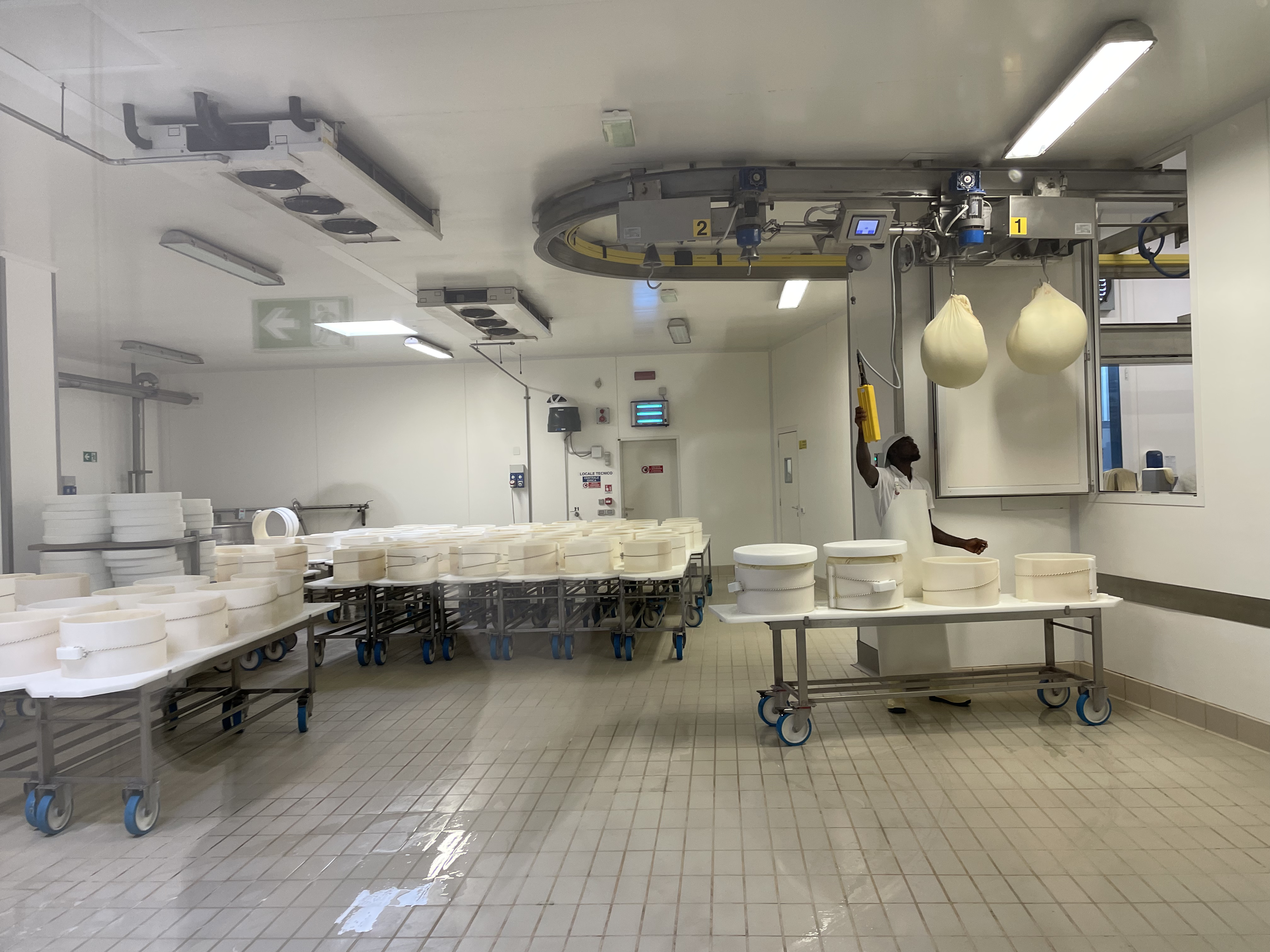
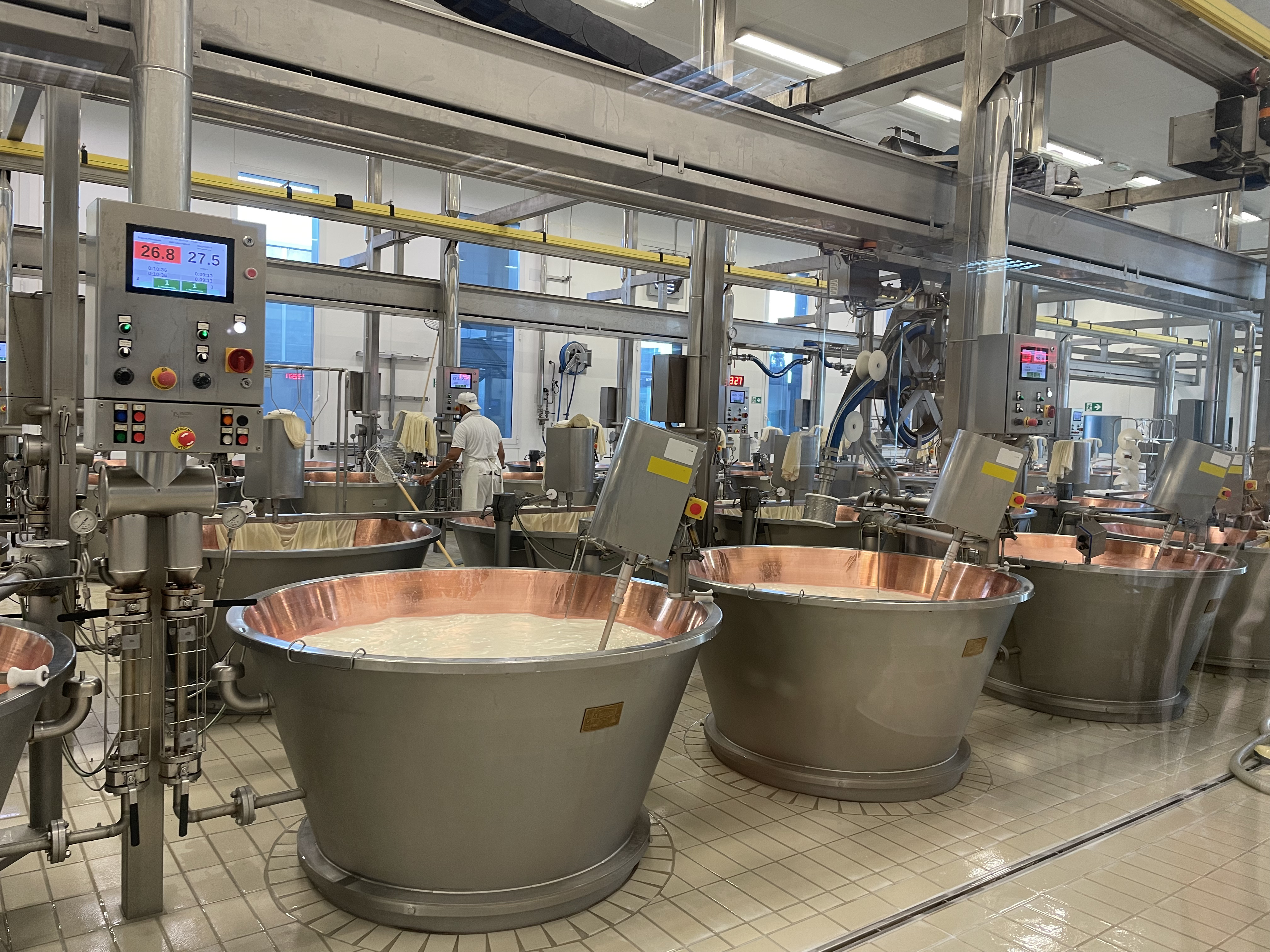
The first room we walked into is the room where they make the cheese in these giant metal bowls. The cows are not located at the production facility, but instead are locally owned by the members of the co-op. These members are in charge of milking their cows twice a day, morning and evening, and then delivering it to the cheese production facility. The milk from both morning and evening is then mixed to make the cheese. 500 liters of milk are required for just 1 wheel of cheese. The process of making the cheese is then as follows: the milk is boiled while constantly being stirred, curds then form and fall to the bottom to be collected later. A couple cool things involved in this is that there is a cheese expert at the facility at all times. They are the only ones who can approve during the boiling process before packaging occurs. They wear a special colored hat so that they are known. Once approved, the cheese is brought up to the surface to be wrapped in a cheesecloth and hung up to be brought into the packaging room. Watching this happen was crazy because each big blob of cheese had to be lifted to a degree and they weigh 40 pounds each. Each blob is then split in two and hung on these arms to be brought into the next room by an automatic system built into the ceiling.
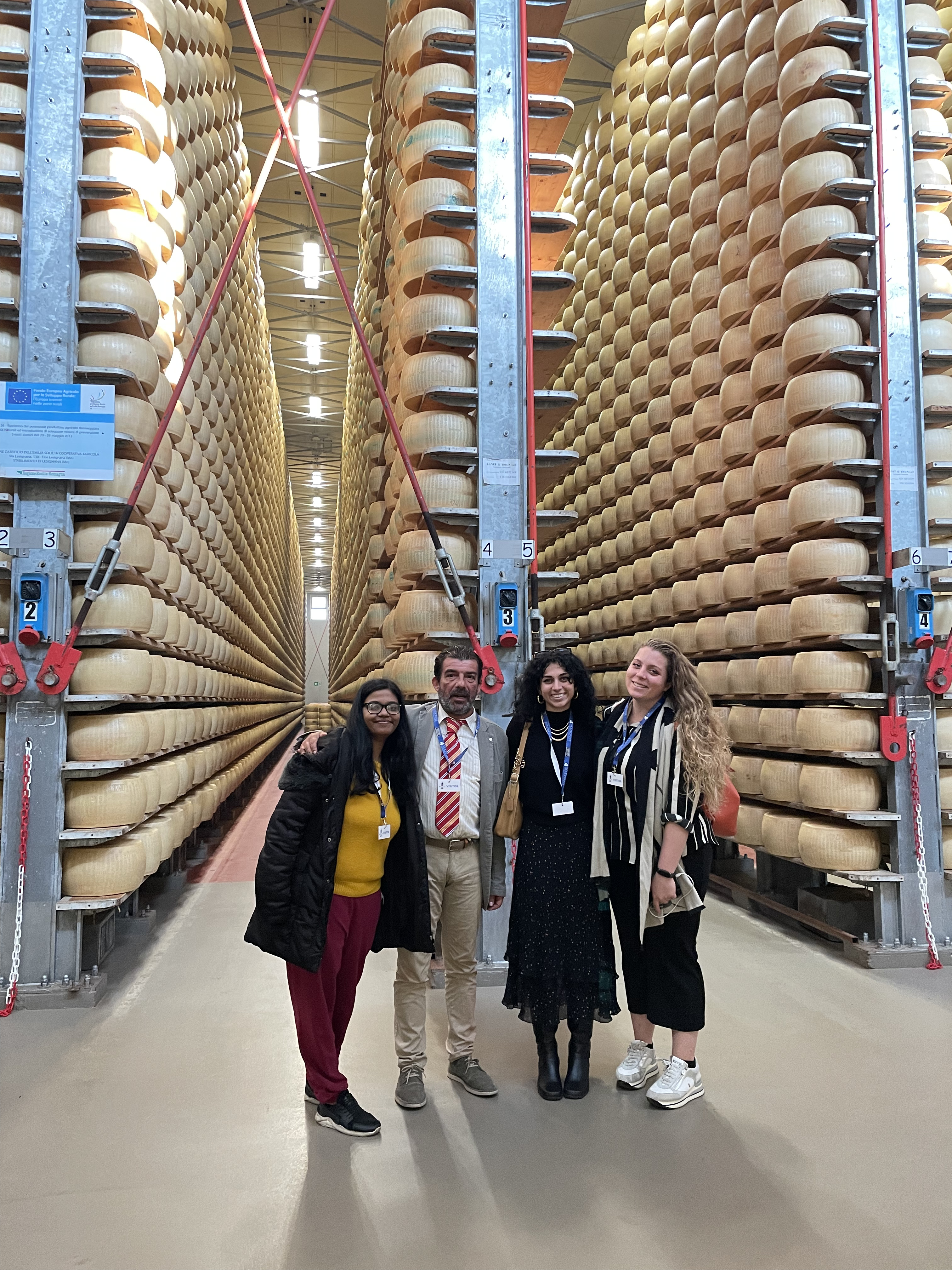
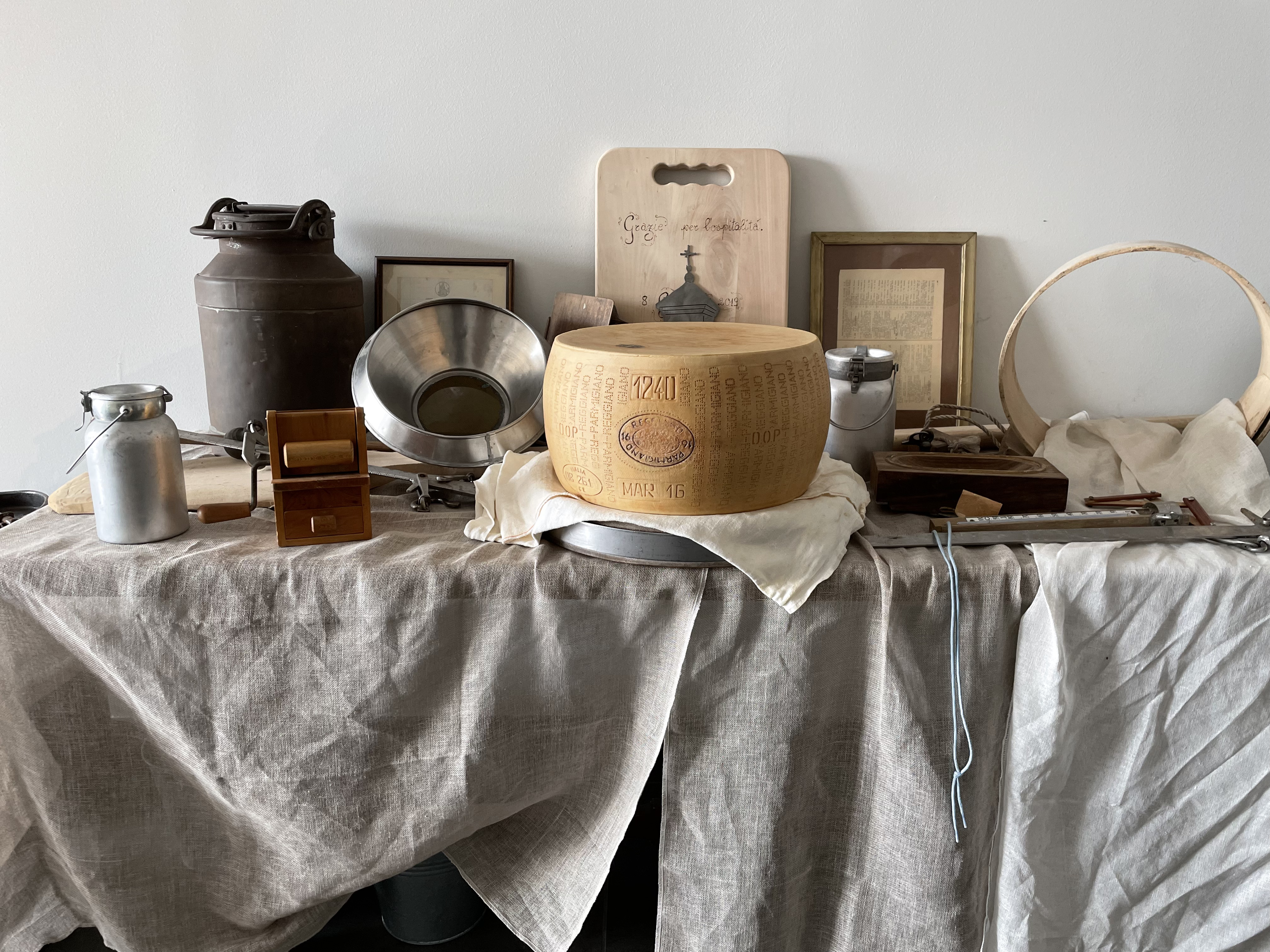
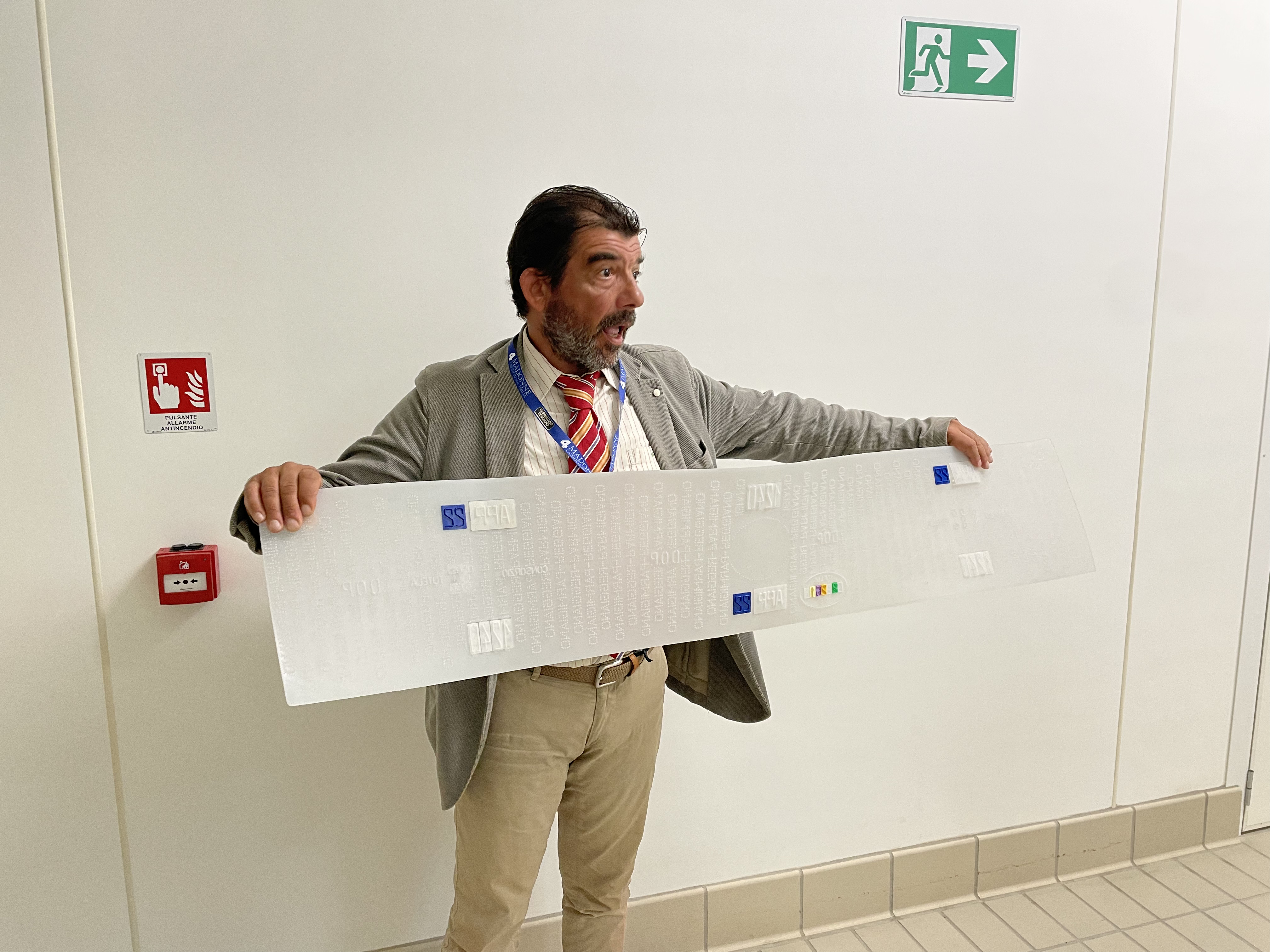
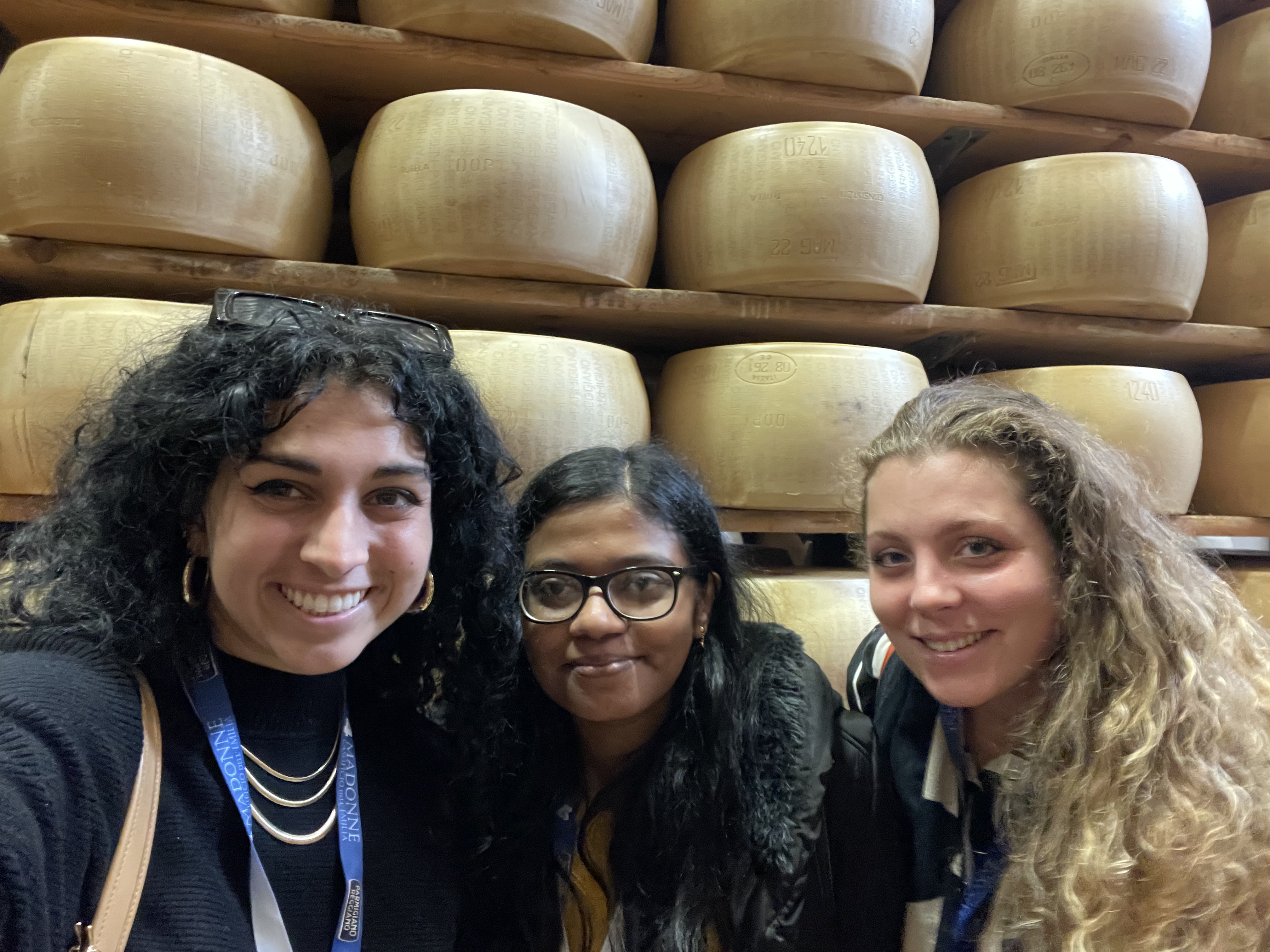
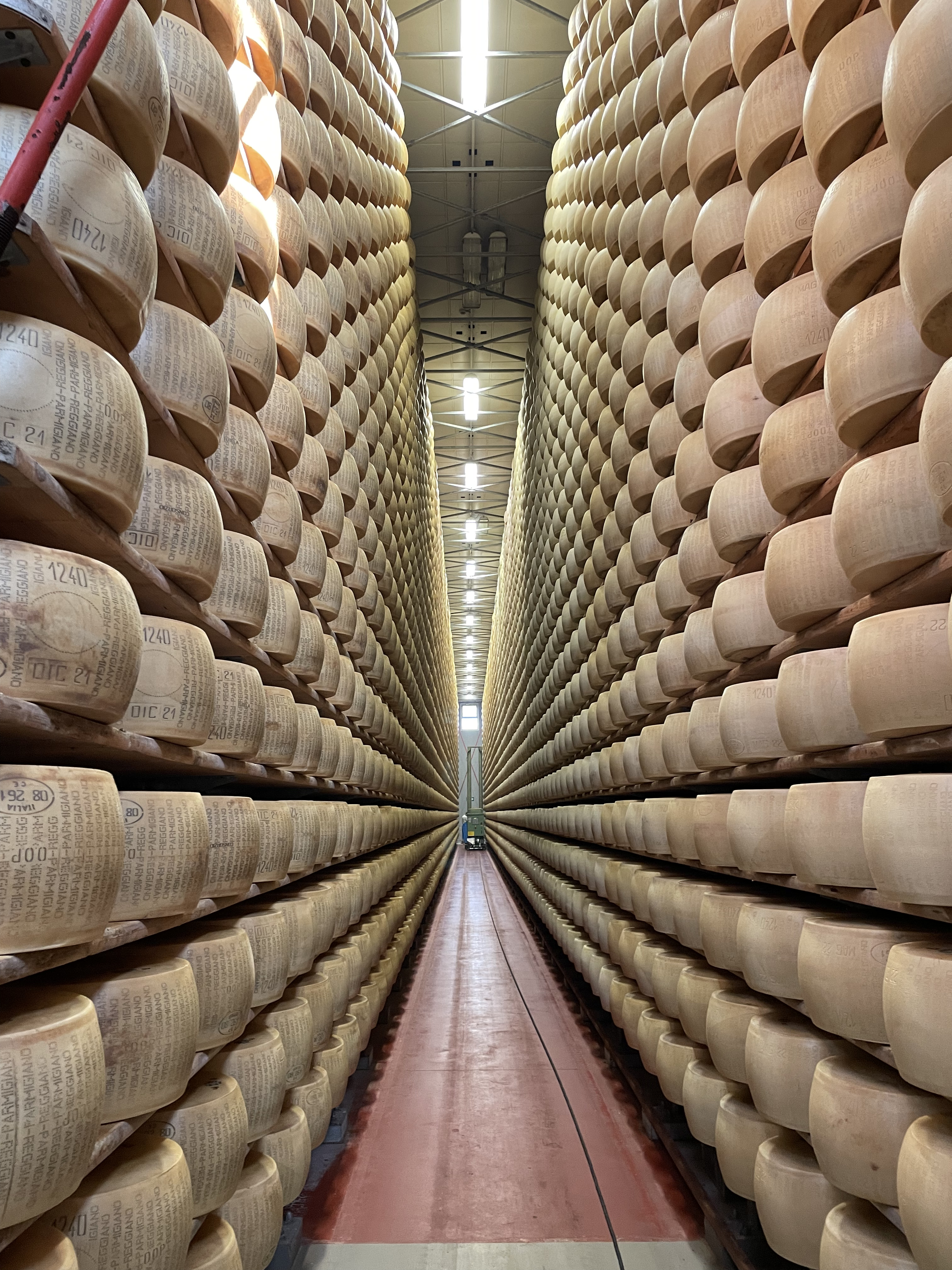
The post production process is equally as interesting. The blobs of cheese are wrapped in linen and stuffed into circular containers to set for 24 hours before being taken out and wrapped in a plastic case that imprints marking onto the wheel. This is crucial because the marking must be present for the wheel of cheese to be designated Parmigiano Reggiano. It imprints “Parmigiano Reggiano” all around the wheel, the date, the certification number, and other standardized information. Then after a couple of days the cheese wheels take a bath…a salt bath. They must be flipped and stay in there for a couple of days. After that they are cooled for a day before going into the big storage room. This was my favorite part of the tour and although I tried to capture it in pictures, it’s crazier than it looks. Imagine a giant warehouse with over 50,000 wheels of cheese. 50,000 WHEELS OF CHEESE. That is millions of dollars in cheese. I couldn’t stop looking at them all in awe. Anyway, the cheese ages for an entire year in there before it can be sold. No earlier, but can be sold a couple years later as well. Also, get this, each wheel has to be flipped every 5 days so it sets evenly. This isn’t done manually, but by a large machine. But that many wheels flipped every 5 days?! That machine practically runs nonstop. Lastly before it’s sold, an inspector must come in and check each wheel of cheese. They do this through an auditory test. The inspector uses a small hammer looking tool and taps around the cheese while listening to the sound it makes. Based solely on that, an expert can tell whether the cheese is good, or up to standards to be sold. Those that are not are sold as a second tier cheese of sorts and have their markings removed.
At the end of this marvelous tour we all were able to try some cheese aged a year as well as 2 years. As a picky eater and someone who is not huge on eating chunks of cheese, I was very worried about this part of the tour. I took a small bite of the year old cheese and it was strong! My taste buds were overwhelmed considering before that moment I had only had the fake supermarket parmesan, cheese but it was good. The piece that was aged 2 years was better in my opinion, but much more grainy. Aside from the new and unusual texture it was delicious! A one of a kind experience. On our way out we stopped in the store and Davide purchased some cheese for himself and a friend. I did not out of fear for how it would fare in travel, but I certainly will prepare to do so the next time I end up in Bologna.
Traditional Balsamic Vinegar
Our next stop was another “wow” experience. I asked Davide where to next and he had mentioned balsamic vinegar so I assumed we were going to another factory but I was incorrect. The traditional balsamic vinegar co-op is just a few people, much smaller than the hundreds within Parmigiano Reggiano. We arrived at Davide’s friend’s house and were led into an enclosed room on his deck where I was immediately hit with a new smell…traditional balsamic vinegar. My initial impressions were the smell which was new, strong, but very intriguing, as well as rows of barrels. The man we were lucky enough to learn from makes his own traditional balsamic vinegar and has his whole life. He also didn’t speak a bit of English so his presentation was translated to me with the help of Davide, Elisa, and Piru.
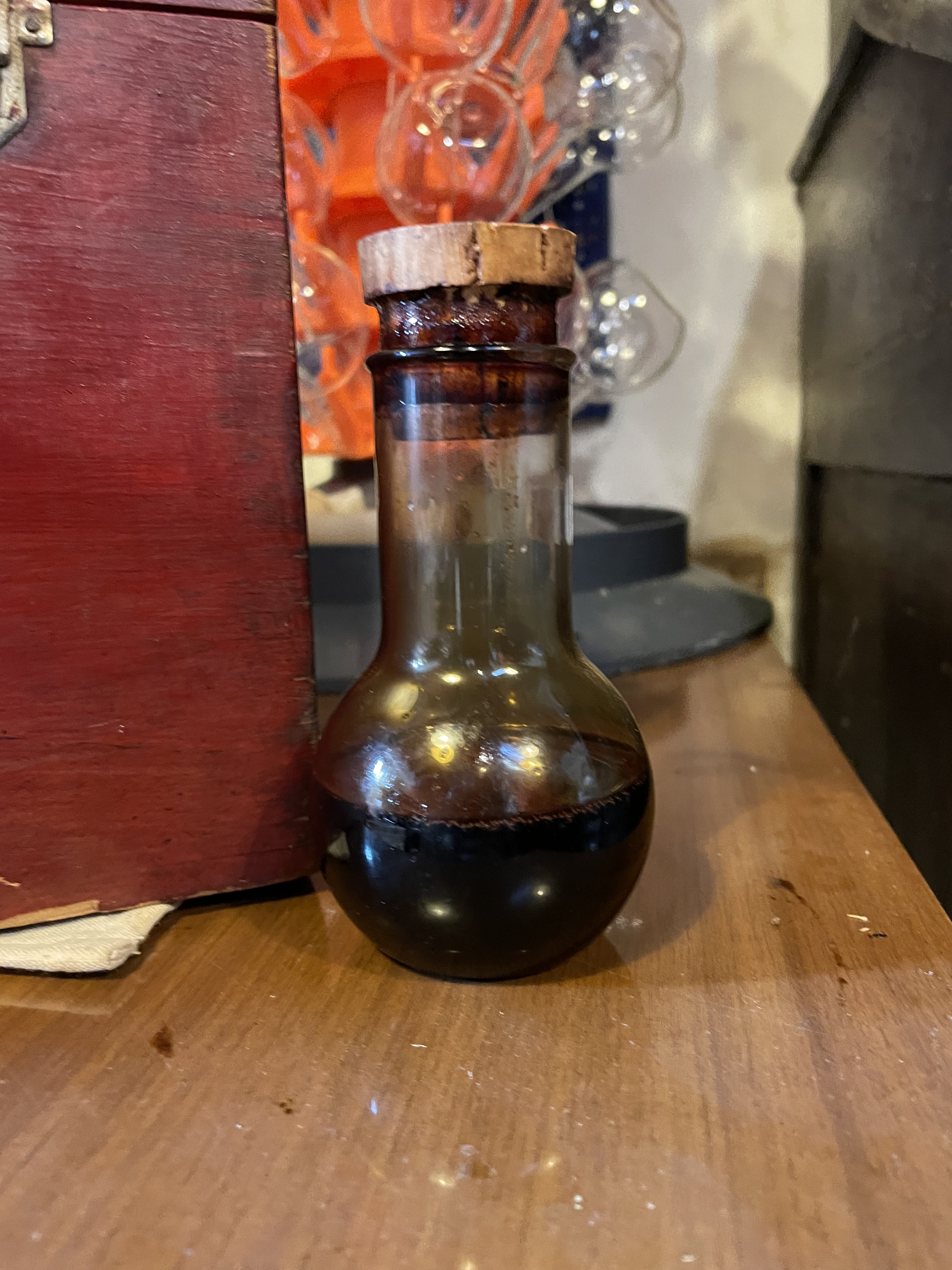
It turns out that traditional balsamic vinegar is very different from regular balsamic vinegar. The very common and sometimes mass produced takes about a year to make whereas the traditional version takes a whopping 25 years of aging before it is ready. You can imagine that makes the product much more rare and much more expensive. Similar to the parmesan cheese, there are regulations and it is a DOP product. The beginning of the process of creation is very similar to wine where grapes are picked, pressed, and cooked, but the way they are aged is slightly different. The vinegar is placed in what is called a “battery,” or a line of barrels (at least 7 I believe) that gradually grow smaller from the largest. Over the process of aging the vinegar is transferred down until it is in the smallest barrel before ready to be consumed. Davide’s good friend, Mirco Casari, had a total of 25 batteries! The even more interesting thing, other than seeing over a hundred barrels of vinegar, is some of the history behind traditional balsamic vinegar itself. It is very common in Modena and Emilia Romagna for families to have their own personal battery that is passed down over generations. It is much easier to continue the process rather than start a fresh battery. Mirco inherited his from his family as well as the battery from his wife’s family. I specifically made sure to ask the oldest barrel he had and it was from the year 1900…which just so happened to be the traditional balsamic that I would get to taste test.
As a picky eater, I have tried balsamic vinegar approximately twice in my life and while I didn’t love it I also didn’t hate it. The moment that Mirco poured me a decent sized spoonful of straight up balsamic, but more importantly his oldest and most meaningful, I panicked. My inner dialogue went a little bit like this: “What if I didn’t like it? What if I make a face? This is his life’s work, please Allison don’t make a face and offend this nice man!!” We all tasted it at the same time and I kept it together. It certainly was not bad, just very strong for an American with uncultured taste buds. As it settled in on my tongue the taste grew on me and I was honestly just in awe that I was able to experience all of this.
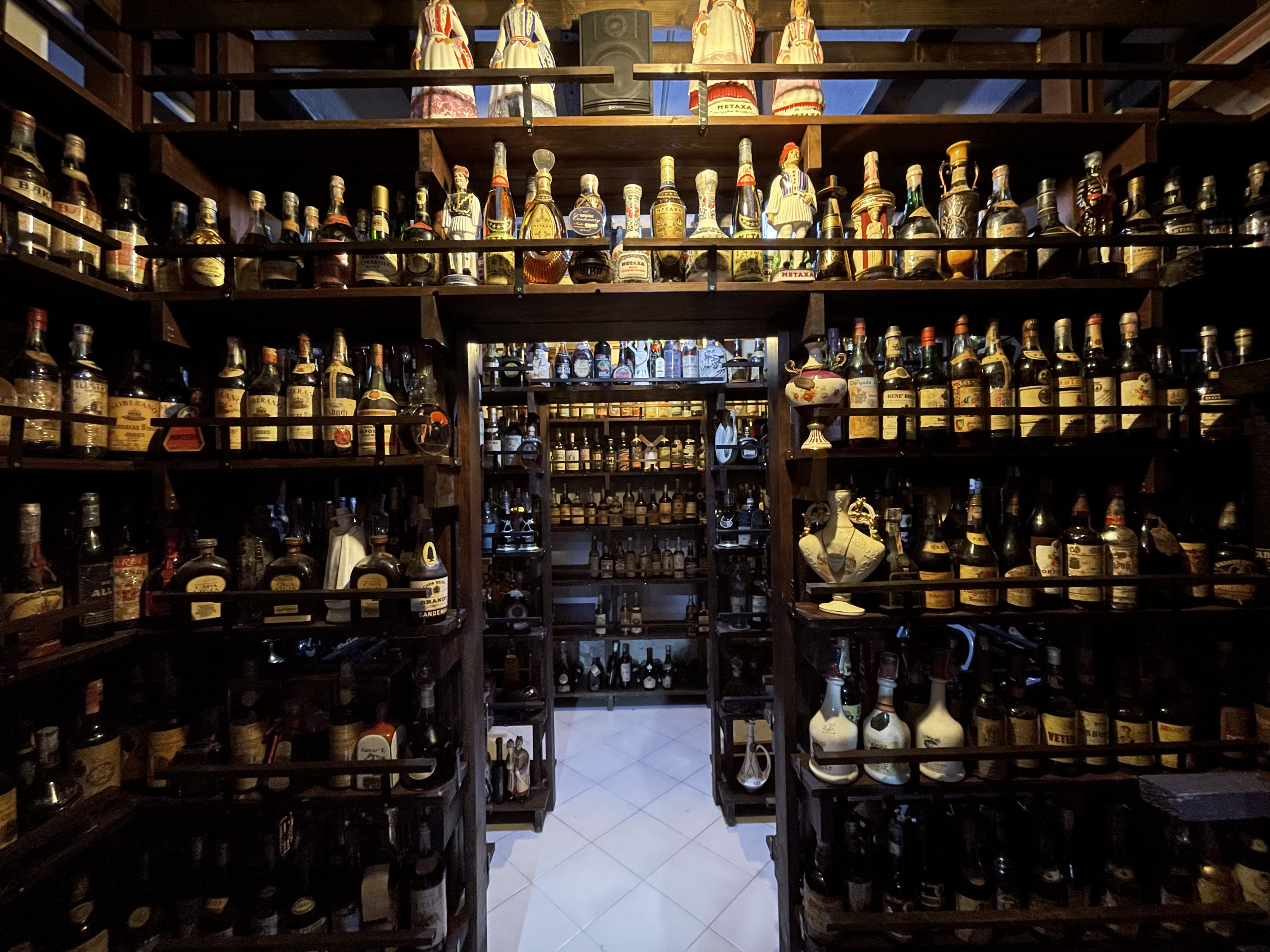
Once we wrapped up our taste test, Mirco kindly invited us into his home to taste more but on Parmigiano Reggiano. Ironic. The panic came back due to my inability to finish my big chunk of cheese that I got to taste earlier in the day, but the combo really surprised me. We sat around his kitchen table eating the oldest traditional balsamic vinegar I will ever get to try on the most natural cheese I have ever tried. After some small talk and a picture you can see below, we got up to head out. What we saw next was not originally on the itinerary, but it was just as shocking as being in a room with 33,000 wheels of cheese. Mirco, other than being a traditional balsamic connoisseur, also had one of the world’s largest whiskey collections- a collection started by his father and passed down. I walked into his basement to see hundreds of shelves packed with over 15,000 bottles of whiskey. As someone who loves and appreciates anything vintage, I was obsessed with looking at all of the different bottles. Another sight I never thought I would see, and I am so happy that I did.




Restaurant
We had one stop left and got a bit too caught up admiring the whiskey collection so we were in a slight hurry. On the way to our next stop, a restaurant co-op, we happened to pass the Lamborghini factory. At this point I was overwhelmed by all of the amazing things that had occurred and it was just about noon. I was all smiles and Davide could tell I was having the best day ever. We arrived at our destination, a restaurant called Locanda Smeraldi, a social co-op that’s staff is made up of many who are special needs. Davide explained how much he loved this place for the people and the food before we arrived and once we did it was like he was the mayor. He knew the majority of the employees and any he didn’t, he made sure to ask the name of. I ordered a delicious Bolognese, but the overall energy of this restaurant was what made the experience. Everyone was so happy, kind, and loving. When I say loving I do mean loving. A young man walked by us and told Davide I was beautiful and then proceeded to say “mi amore” every time he walked by me. It was the sweetest and most fulfilling dining experience ever.
We made our way back to Bologna where I said goodbye to my new friends Davide, Elisa, and Piru. I taxied over to the train station and was able to hop on an earlier train to get back to Rome. Once I did, I went on the hunt for some souvenirs to bring home to family and friends and had a great time going back and forth with the street vendors.
 International Cooperative Immersed
Leave a comment